
A packed booth looks great in photos. Long lines, loud music, and thousands of social impressions make any brand team feel successful. But a busy activation does not always produce business results. The right brand activation metrics show you whether the crowd turned into real prospects or simply enjoyed a free coffee.
This guide helps you separate numbers that only look impressive from numbers that prove impact. You will learn which metrics to track, which ones to ignore, and how to set up measurement before the event begins.
Why Most Brand Activation Metrics Mislead Teams
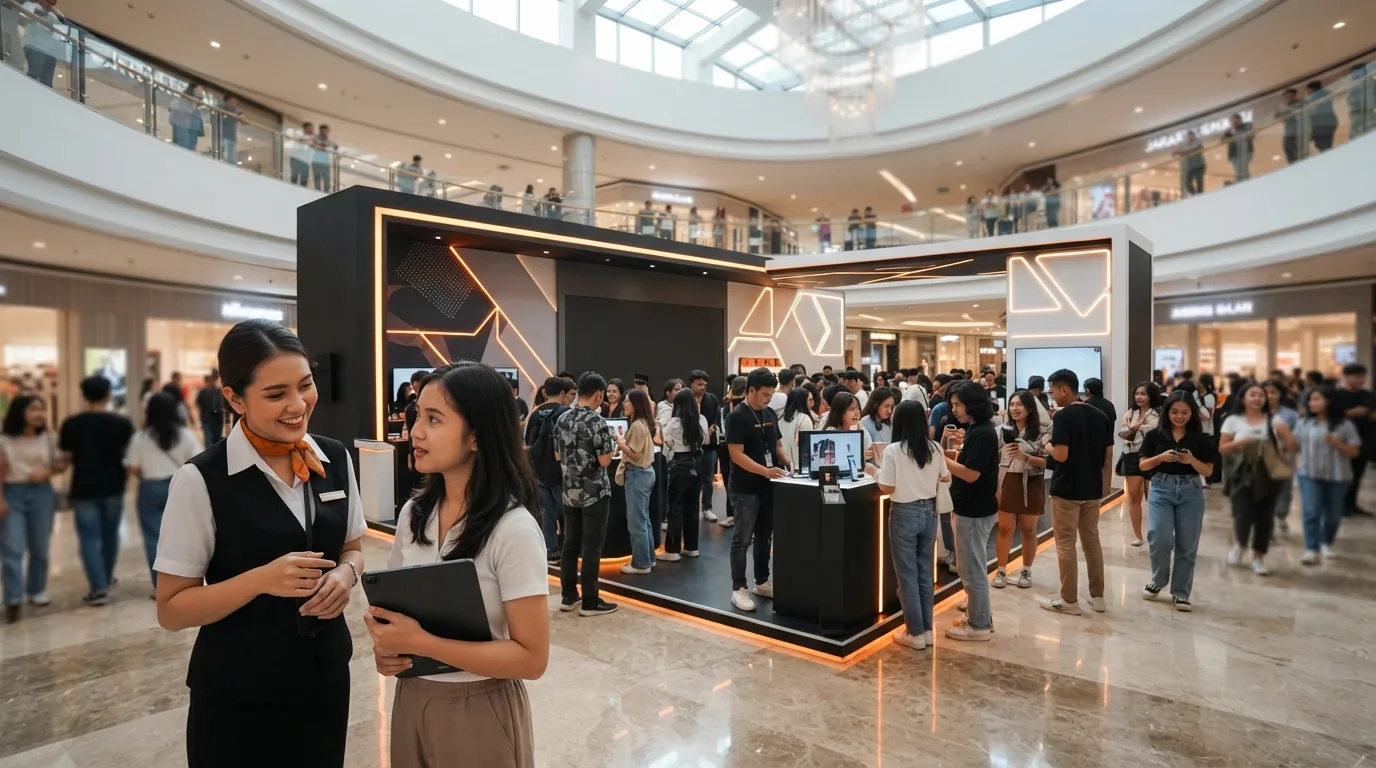
Many teams report what they can count easily. Visitor numbers, giveaways, and likes require no extra effort, so they fill the post-event report. Management sees big figures and assumes the budget worked.
The problem appears three months later. Sales teams find few usable contacts, and nobody can link the activation to new revenue. Without clear goals, an activation becomes an expensive party instead of a growth channel.
Vanity Metrics You Can Safely Ignore
Vanity metrics measure attention, not intent. They still have some value for awareness campaigns, but they should never lead your report. Treat these numbers as background context:
- Total foot traffic. Passersby who glance at your booth rarely become customers.
- Samples or merchandise distributed. Free items attract crowds regardless of interest in your product.
- Photo booth shots. Guests love photos, but most of them never think about the brand again.
- Social impressions and hashtag counts. Reach grows easily through paid boosts and influencer posts, yet it says little about buying intent.
These numbers answer one question: did people notice us? They do not answer the question your finance team cares about: did the activation create business?
Brand Activation Metrics That Show Real Results
Outcome metrics connect the event to your sales pipeline. Focus your report on these indicators:
- Qualified leads. Visitors who match your target profile and show clear buying interest.
- Lead-to-meeting rate. The share of qualified leads that agree to a follow-up call or demo.
- Cost per qualified lead. Your total activation budget divided by the number of qualified leads.
- Average dwell time. Longer visits usually signal genuine interest in the product experience.
- Post-event conversions. Purchases, sign-ups, or contracts you can trace back to the activation.
Cost per qualified lead = Total activation cost ÷ Number of qualified leads
Consider an example. A brand spends Rp 300 million on a three-day mall activation. The booth attracts 5,000 visitors but captures only 120 qualified leads. The real cost per qualified lead reaches Rp 2.5 million, a figure the team can compare with other marketing channels.
Comparison Table: Busy Numbers vs Business Numbers
| Busy Metric | What It Tells You | Better Alternative | What It Proves |
|---|---|---|---|
| Foot traffic | How many people walked by | Qualified leads | How many potential buyers you met |
| Samples distributed | How fast the stock ran out | Product trial with data opt-in | Who wants to hear from you again |
| Social impressions | How far the content traveled | Tracked link clicks and sign-ups | Who took action after seeing it |
| Photo booth shots | How fun the booth felt | Average dwell time | How deeply guests engaged |
| Total contacts collected | How large the database grew | Lead-to-meeting rate | How many contacts sales can use |
How to Set Up Tracking Before the Event
Measurement starts during planning, not after the booth closes. Agree on a qualified lead definition with your sales team first. For example, a qualified lead might need a company email, a relevant job role, and a purchase timeline under six months.
Next, build the capture flow into the experience itself. Short qualifying questions on a tablet work better than long paper forms. Your event production partner can place unique QR codes on screens, product displays, and interactive games, so every scan feeds your CRM with a clear source tag.
Finally, train the booth staff. Brand ambassadors should know how to spot serious prospects and record notes during each conversation.
Measuring Brand Activation Metrics After the Event

Results rarely appear on the event day. Review your pipeline at 30, 60, and 90 days to see how many leads moved into meetings, proposals, and closed deals. Use unique promo codes or landing pages to link later purchases back to the activation.
Location also shapes your data. Activations in tourist areas attract many visitors who will never buy locally. A local Event Planner Bali team can help you design filters that separate holiday crowds from residents and business prospects.
Compare each activation against the same baseline every time. Consistent metrics let you see which venue, concept, or season delivers the best cost per qualified lead. If your internal team lacks the capacity for this work, an experienced event organizer agency can manage both the activation and the measurement framework.
FAQ About Brand Activation Metrics
Should I stop tracking foot traffic completely?
No. Foot traffic still helps you judge location and timing. Just avoid using it as your main success indicator, and always pair it with qualified leads.
What counts as a qualified lead at a brand activation?
It depends on your business. Most brands define a qualified lead as a visitor who fits the target profile, shares valid contact details, and shows a clear interest or purchase timeline.
How long should I wait before judging activation results?
Wait at least 90 days for B2B products and 30 days for consumer products. Sales cycles take time, so early reports often underestimate the real return.
Conclusion
A crowded booth feels like success, but numbers tell the real story. Track qualified leads, cost per lead, and post-event conversions instead of relying on foot traffic and impressions. With clear goals and early tracking, every activation becomes a measurable investment.
Planning your next brand activation? Energy Event helps you design experiences that draw the right audience and capture measurable results. Schedule a free event consultation with our team today.