

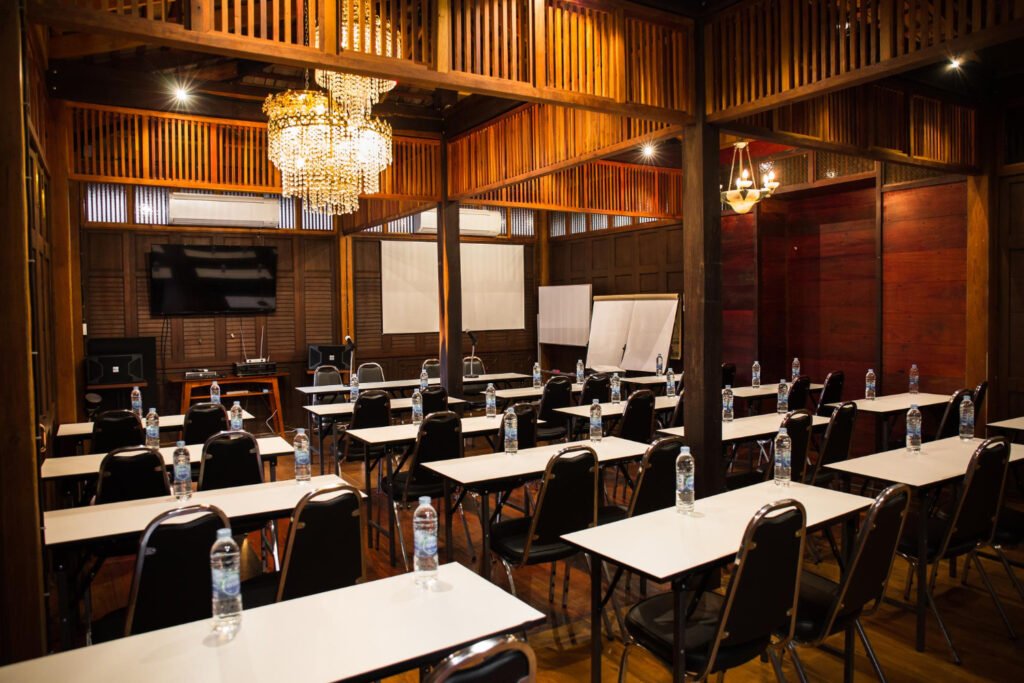
A successful meeting starts long before the first presentation begins. One of the biggest decisions is selecting a venue that supports your event goals while providing a comfortable experience for every attendee.
Energy Event helps businesses organize meetings, conferences, and corporate gatherings with careful planning from start to finish. Working with an experienced event planner also makes it easier to evaluate venues based on practical requirements instead of appearance alone.
Choosing the right large meeting venue is more than finding a spacious room. Accessibility, technical support, and participant comfort all play important roles in creating a productive event.
1. Prioritize Venue Accessibility for Every Attendee
A convenient location encourages better attendance and reduces travel-related stress. Therefore, the venue should be easy to reach by both private and public transportation.
Consider nearby airports, train stations, parking availability, and accommodation options. If many participants are traveling from outside the city, selecting a centrally located venue can significantly improve the overall experience.
Easy access also helps speakers, vendors, and event staff arrive on time. As a result, the event schedule is less likely to experience unexpected delays.
2. Choose a Meeting Venue That Matches Your Expected Attendance
A meeting venue that is too small can feel crowded and uncomfortable. On the other hand, a space that is too large may reduce audience engagement and create unnecessary costs.
Estimate attendance carefully before confirming a booking. Besides the main meeting room, remember to evaluate breakout rooms, networking areas, registration space, and dining facilities.
| Venue Consideration | Why It Matters | Recommendation |
|---|---|---|
| Capacity | Ensures guest comfort | Match expected attendance |
| Accessibility | Simplifies travel | Choose a central location |
| Parking | Improves convenience | Provide adequate parking |
| Technical equipment | Supports presentations | Verify equipment availability |
| Internet connection | Enables digital participation | Test network reliability |
A meeting venue should comfortably accommodate both current attendance estimates and a reasonable margin for unexpected guests.
3. Evaluate Technical Facilities Before Booking
Modern business events depend heavily on reliable technology. Presentation equipment, audio systems, lighting, and internet connectivity should all be tested before the event date.
Ask the venue management about available equipment and on-site technical support. Even if facilities are included, confirming their condition helps prevent unexpected disruptions during the meeting.
Businesses planning hybrid meetings should also verify livestream capabilities and backup internet connections before making a final decision.
4. Think Beyond the Meeting Room
Attendee experience extends beyond presentations. Comfortable networking spaces, refreshment areas, and breakout rooms all contribute to a more engaging event.
Natural lighting, seating arrangements, air circulation, and restroom accessibility also influence participant satisfaction. Small details often leave a lasting impression throughout a full-day conference.
Many companies also combine meetings with networking activities or employee engagement sessions. In these cases, working with a corporate event specialist helps ensure every area of the venue supports the event agenda.
5. Consider Operational Support and Event Flexibility
An attractive venue alone does not guarantee a successful event. The venue team should also be responsive, flexible, and prepared to handle operational changes when needed.
Ask about setup times, loading access, security procedures, catering policies, and emergency plans. These operational details become especially important for large-scale meetings with multiple speakers and vendors.
Ultimately, selecting the right large meeting venue creates a smoother experience for organizers and attendees alike. Careful planning reduces potential issues while allowing everyone to focus on the purpose of the meeting instead of logistical challenges.
Frequently Asked Questions (FAQ)
What should I consider when choosing a large meeting venue?Consider accessibility, venue capacity, technical facilities, parking, internet connectivity, and operational support before making your decision.
Why is venue accessibility important for large meetings?A convenient location improves attendance, reduces travel difficulties, and helps speakers and participants arrive on schedule.
Should I inspect the venue before booking?Yes. A site visit allows you to evaluate the meeting rooms, technical equipment, event flow, and overall suitability before confirming the reservation.